


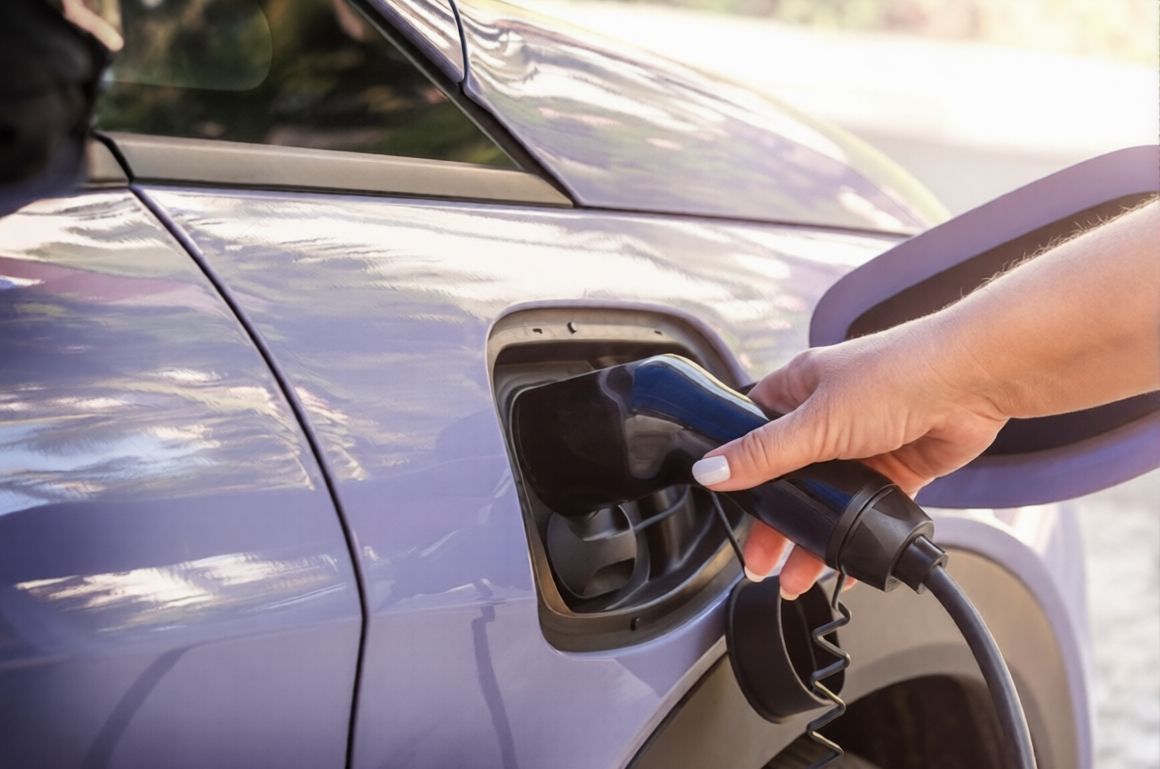

We are currently gathering expressions of interest for this accredited programme. If you wish to indicate your interest in enrolling, please click on ‘Express Your Interest’. Individuals who submit their interest will be contacted at least two weeks prior to the start of the course. Please note that payment of fees and formal registration will only take place once the programme is scheduled and confirmed to commence.
Course description
This unit introduces students to the key concepts, technologies, and practical skills needed to service and manage electric vehicle (EV) charging systems. With the rapid growth of EV adoption worldwide, technicians must understand how charging infrastructure works, the standards that regulate it, and the innovations shaping its future.
The course begins by exploring charging methods, from home and workplace AC charging to high-power DC fast charging, and examines the setup and operation of public charging stations. Students will then evaluate international and EU standards, safety requirements, and communication protocols that ensure interoperability and efficiency across charging networks.
Advanced charging technologies such as Vehicle-to-Grid (V2G) and wireless power transfer (WPT) are introduced, highlighting their benefits, challenges, and potential applications. Learners also assess practical considerations such as charging time, cost, and infrastructure planning, enabling informed decisions for both private users and fleet operators.
In addition, the course examines solar-powered charging solutions, focusing on their role in sustainable energy systems. Finally, students gain insights into designing, implementing, and managing EV charging systems effectively, with an emphasis on smart energy management and future-proofing.
By the end of this unit, learners will be equipped with the knowledge and skills to support the growing demand for safe, efficient, and sustainable EV charging solutions.
Overall Learning Outcomes
LO1 Identify EV charging infrastructure including various charging methods, such as AC and DC charging, and the setup and operation of public charging stations.
LO2 Evaluate charging standards, EU regulations and communication protocols aimed at ensuring interoperability, efficiency, and safety in EV charging systems.
LO3 Identify charging technologies such as vehicle-to-grid technology and wireless power transfer (WPT), understanding their applications, benefits, and challenges in the context of electric vehicle charging infrastructure.
LO4 Assess and analyse charging time and cost considerations, to make informed decisions regarding EV charging strategies and infrastructure planning.
LO5 Recognise solar charging technology and its potential applications and benefits in supplementing traditional grid-based charging infrastructure.
LO6 Design, implement, and manage EV charging systems effectively.
Assessment Method: Various


Course Description This course is intended for all those who would like to have a general idea on how light...

Course description This unit provides a comprehensive introduction to the fundamentals and practical aspects of electric vehicle (EV) battery technology...

Applications are currently closed Programme Description The course is intended for qualified automotive technicians seeking to broaden their knowledge...
Course Description Electric vehicles (EVs) are rapidly transforming the automotive industry, creating a growing demand for professionals with up-to-date knowledge...

Course Description:‚ This course is intended for well established motor vehicle technicians and mechanics who are not yet...

This course is targeted to start around March 2027 Course Description‚ This Award provides individuals with the knowledge and...

Course Description The Electrical Vehicle Technology unit provides learners with a comprehensive introduction to the systems, components, and principles underpinning...

Course Description The proposed program aims to address the increasing demand for skilled professionals in the automotive air-conditioning sector, driven...


