
We are currently gathering expressions of interest for this accredited programme. If you wish to indicate your interest in enrolling, please click on ‘Express Your Interest’. Individuals who submit their interest will be contacted at least two weeks prior to the start of the course. Please note that payment of fees and formal registration will only take place once the programme is scheduled and confirmed to commence.
Description
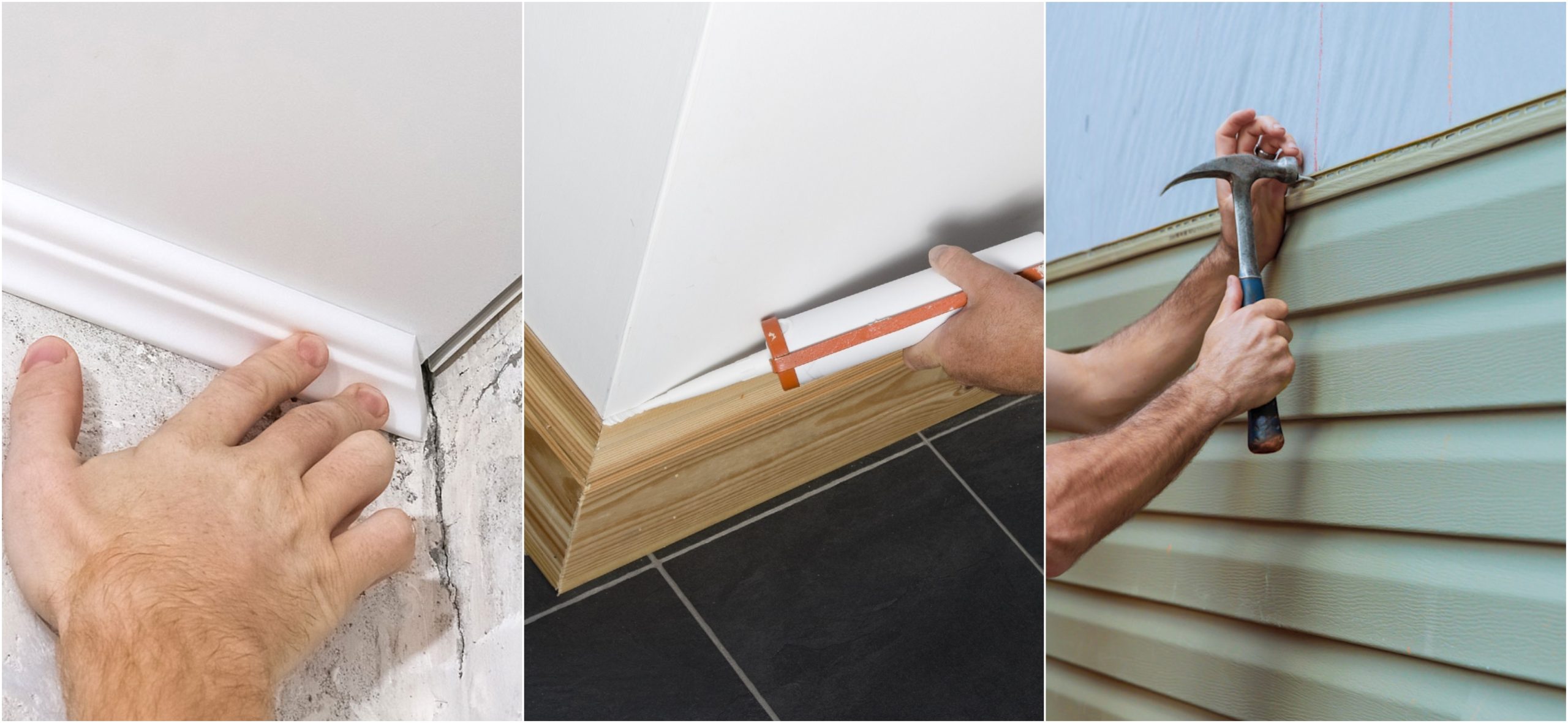
This unit introduces learners to the basic knowledge and practical skills needed for the safe and effective installation of skirting and cladding systems and coving. Emphasis is placed on adhering to safe work practices and procedures to minimize health and safety risks to both the installer and others on-site.
Learners will identify potential hazards in the working environment and gain proficiency in the correct use of tools, materials, and equipment specific to skirting and cladding work. The unit introduces a range of materials commonly used in these applications, including PVC, timber, stone, and tiles
Key learning outcomes include understanding the functional and aesthetic roles of skirting and cladding-such as protecting walls, covering joints, enhancing appearance, and contributing to moisture and impact resistance. Learners will be taught simple essential installation techniques such as measuring, marking, cutting, fixing, and finishing, along with methods to ensure precision and alignment.
Integration with other building systems, such as flooring, drywall partitions, and mechanical or electrical installations, will also be addressed, highlighting coordination with other trades.
Health and safety practices are reinforced throughout, including the correct use of personal protective equipment (PPE), dust control, safe manual handling, and environmentally responsible waste management. Learners will also consider compliance with building regulations and relevant standards.
By the end of the unit, learners will be prepared to install basic skirting, coving and cladding systems that meet both functional requirements and industry best practices for safety, efficiency, and quality.
Overall Learning Outcomes
LO1 Follow health, safety, and environmental procedures while communicating and working effectively with others on site.
LO2 Describe correct methods for handling and caring for tools used in skirting and cladding work and coving
LO3 Calculate the appropriate amount of materials required for different types of coving, such as Polyurethane Coving skirting and cladding including tile, travertine and marble
LO4 Carry out the preparation and fixing of skirting and cladding on multiple surfaces
Mode of Delivery: Theory & Practical
Assessment: Written and Practical
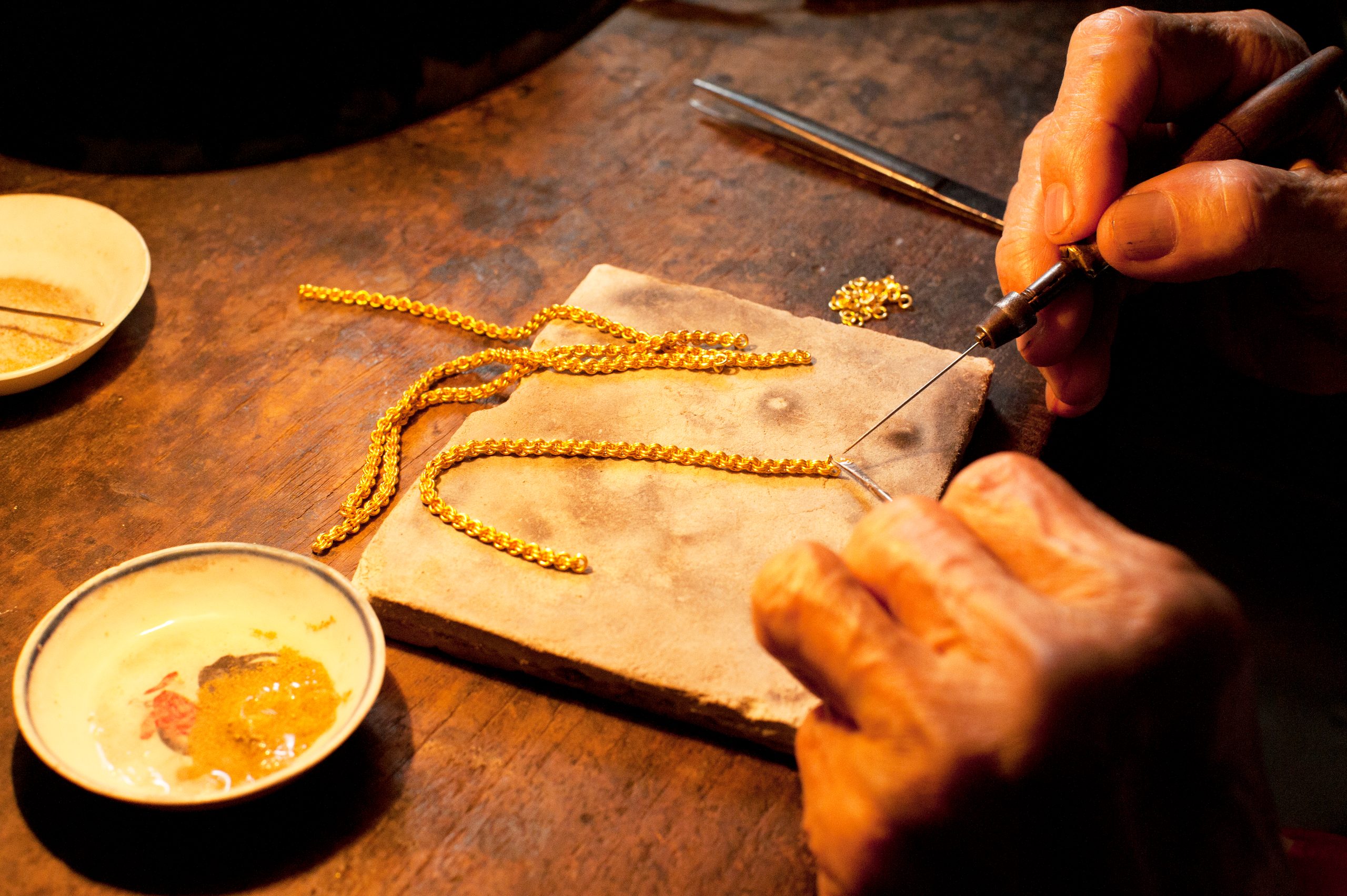

Course Description This introductory unit is designed to help learners to develop basic skills in goldsmithing, focusing on design and...

Course Description This unit introduces learners to modern fabrication technologies used across various craft and industrial fields, including metalwork, textiles,...

Course Description This study unit introduces learners to the traditional craft of Maltese Bobbin Lacemaking, locally known as Bizzilla. Through...

This course is targeted to start around October/November Course Description The unit aims to give an introduction of the core...

This course is targeted to start around October/November Course Description This introductory unit is designed to help students to develop...

This course is targeted to start around October/November Course Description This unit provides learners with a comprehensive introduction to...

Course Description This Level 1 course in Occupational Health and Safety is designed to introduce learners to the basic principles...

This course is targeted to start around October/November Course Description This unit aims to equip learners with the fundamental knowledge...
Course Description This unit introduces the core principles of occupational health and safety (OHS) in the workplace, emphasizing the shared...