


We are currently gathering expressions of interest for this accredited programme. If you wish to indicate your interest in enrolling, please click on ‘Express Your Interest’. Individuals who submit their interest will be contacted at least two weeks prior to the start of the course. Please note that payment of fees and formal registration will only take place once the programme is scheduled and confirmed to commence.
Applications for the September course are closed
Course Description
This course will give applicants a general introduction in organic farming. Learners will understand that organic farming entails a holistic approach towards the production of food and production without compromising the future generation of production. Organic farming is sustainable and it promotes the welfare of animals. The principles of care, fairness, health and ecology are enhanced while the methods and practices applied leads to the production of food without any residues of synthetic preservatives. The philosophy of organic agriculture is against genetically modified organisms. Regards the rearing of animals no antibiotics or growth hormones are allowed on the farm. This introduction course will instill insight in the learners to comprehend, appreciate and understand organic farming and provide them with the necessary skills to start their own organic business.
This is a 25 hrs of guided learning course. Students need to invest further hours in the course, which will include private study and home assignments.
Lessons are held as indicated on the prospectus and website.
Introduction to organic agriculture -principles. What is organic? Converting from conventional to organic. Provide basic knowledge on the principal natural pest control products used in the Mediterranean region. Supply useful information on the proper execution of treatments including time, dosages and combination of formulae. Hands on market gardening, fruit culture and free range layers.
Learning Outcome 1: Convert from conventional to organic practices
Unit Content
Learning Outcome 2: Apply a holistic approach towards organic production by embracing the principles of ecology, health, fairness and care
Unit Content
Learning Outcome 3: Manage a horticultural unit and a poultry unit
Unit Content
The following are the suggested pre-requisites and/or entry requirements needed:
Pre-requisites:
• Farming background would be an asset.


Applications for the September course are closed Applications will close on the 30th of August Course Description This course...

The course is generally required by the Planning Authority to give a permission to applicants wanting to build a rabbit...
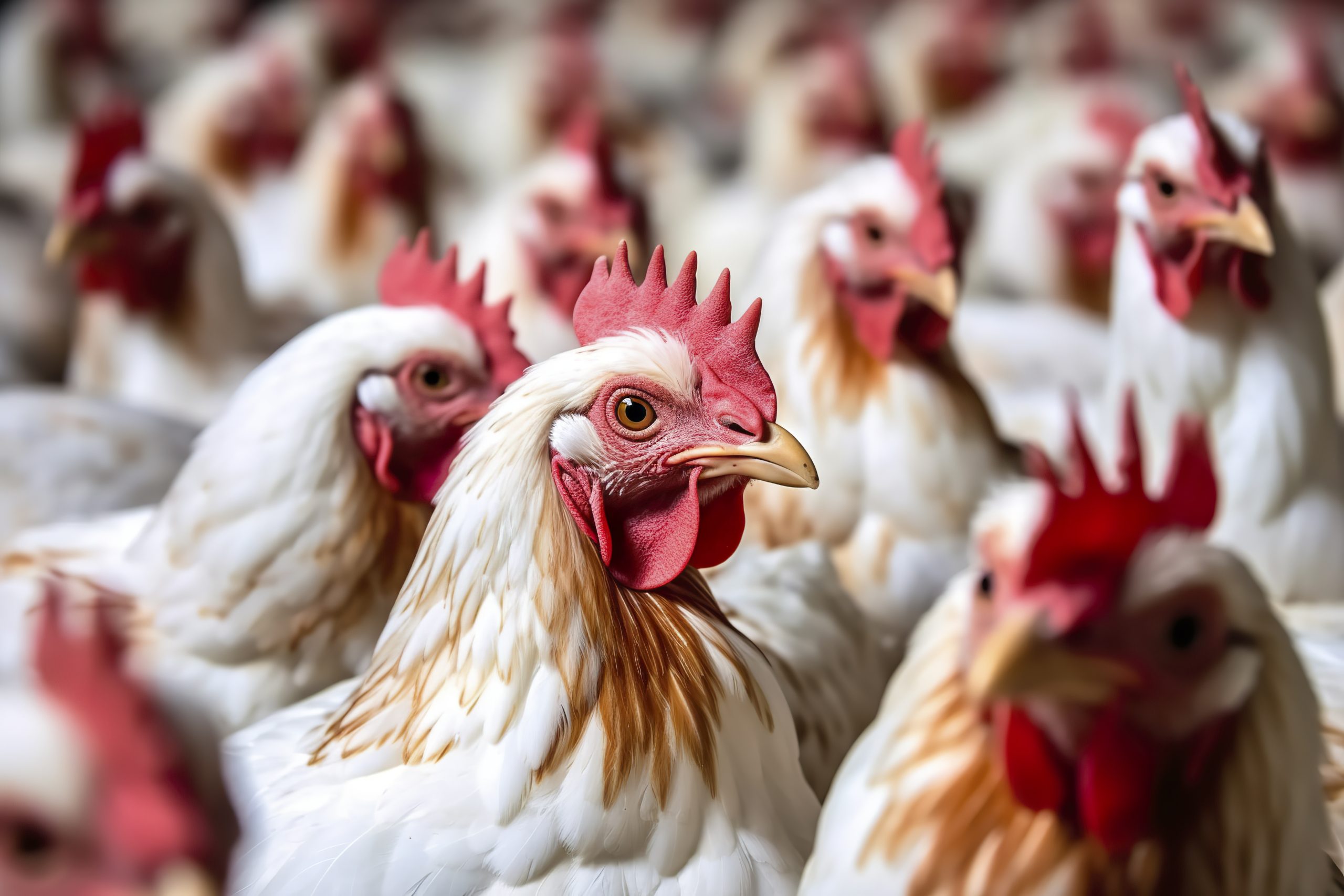
Course Description This unit is designed to give a good understanding of the principles of laying and broiler husbandry and...

Target Audience: The course is intended for those who wish to start a career in gardening design and construction...

Course is targeted to start in September/October Course Description There has always been an ever-increasing interest in the growing of...
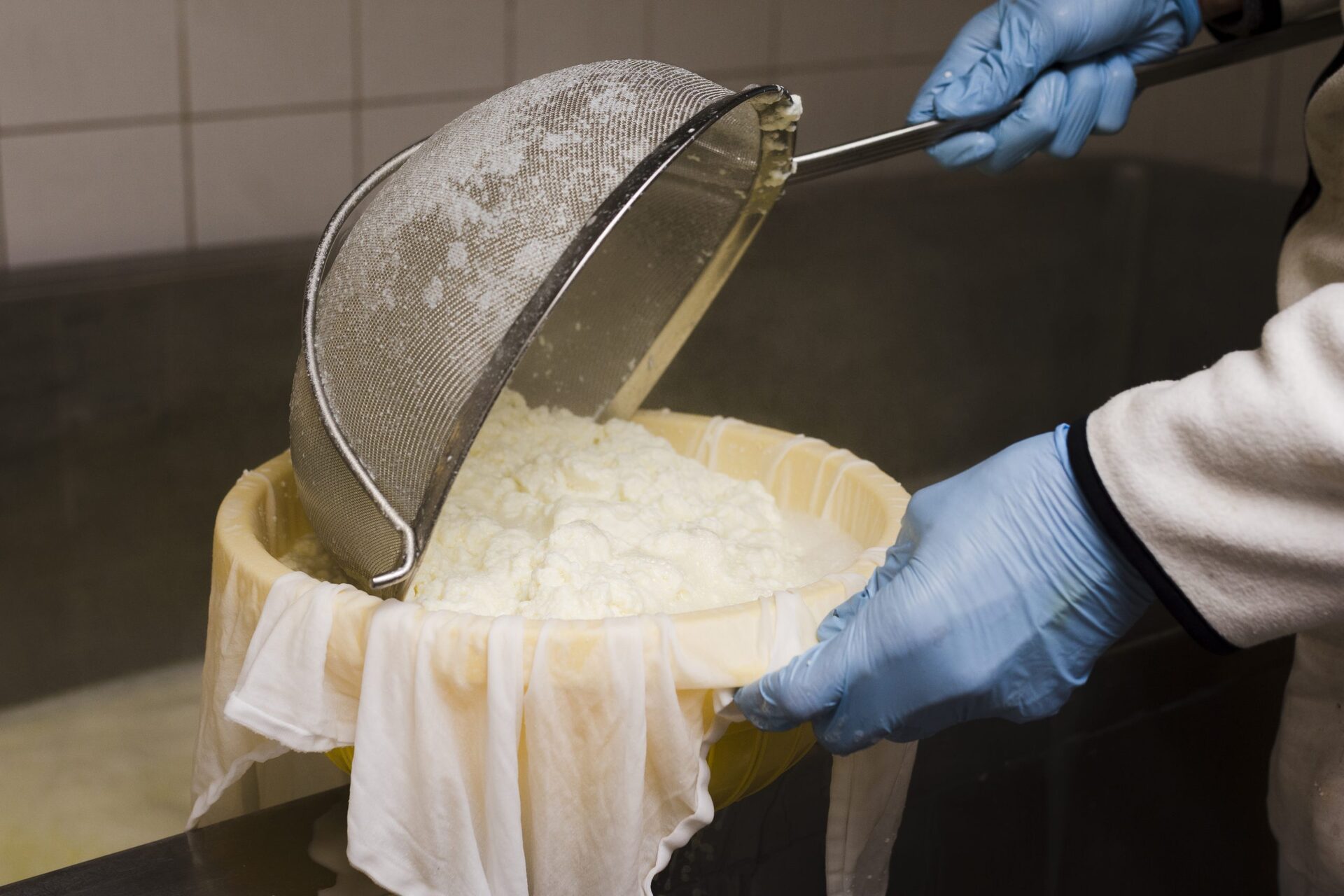
Course Title: Award in Cheese Production Course Code: AG3-020-23P Course Type: (Award or Qualification) - Award MQF...

Course is currently awaiting schedule. Applicants submitting payments in favour of courses without a schedule are encouraged to review the...

Schedule Course Title Award in Biology MQF 4 ECTS / Credits 12 Duration 120 Hours Schedule Date Day Time 30-Oct-26...

Study Programme Description: The course will go into detail on the requirements based on CR1/2005 and the requirements regarding TRACES....
October 2026 course is closed The course is generally required by the Planning Authority to give a permission to applicants...


