


We are currently gathering expressions of interest for this accredited programme. If you wish to indicate your interest in enrolling, please click on ‘Express Your Interest’. Individuals who submit their interest will be contacted at least two weeks prior to the start of the course. Please note that payment of fees and formal registration will only take place once the programme is scheduled and confirmed to commence.
Target Audience:
The course is intended for those who wish to start a career in gardening design and construction or just want good tips for planning their own garden.
Entry Requirements: Not applicable but Interest in Horticulture and Gardening is essential
Study Programme Description:
This course will be structured to provide basic horticultural and design skills, including garden design principles and garden maintenance. Emphasis will be given to gardening with limited use of agrochemicals.
This is a 40 hour guided learning course which include also onsite visits. Students need to invest further hours to conduct private study and home assignments.
The student will be introduced to the basics of horticulture and landscaping in order to have the right knowledge to design and plan a garden. The student will become familiar with certain problems and design issues which might be faced when designing or doing up a garden.
Study Programme Learning Outcomes:
Learning Outcome 1: Outline the basics of horticulture in the context of garden design
Content:
It is important to understand how a plant works and grows so as to be able to work with them. Therefore basic botanical knowledge will be given.
The use and significance of the following will be explained:
– Plant Classification and Naming
– The Anatomy of Plants
– Plant Growth and Propagation
Learning Outcome 2: Understand the composition of soil and the characteristics of different soil types
Content:
Soil is the medium for growing plants. The wrong soil type or bad soil management can have negative impact on the development of plants. Understanding soil composition and characteristics will help in achieving better plant growth. Organic means of increasing fertility will be dealt with.
– Soil as the Growing Medium
– Soil Types
– Preserving soil fertility
– Alternatives to growing in soils
Learning Outcome 3: Recognise methods of dealing with common plant pests and diseases
Content:
An introduction to common plant pests will be given. Such pests are part of the ecosystem and the natural food chain. By understanding the relationship between pests and predators, it is possible to create the right balance without compromising our health and that of the soil and plant ecology.
– Common Pests
– Common Diseases
– Control and Avoiding Problems
Learning Outcome 4: Create a garden based on the principles of garden design.
Content:
Understanding garden design principles is the key to a successful garden, successful not only in terms of function or aesthetics but in a holistic manner. A successful garden design will address various aspects which are often under estimated or ignored.
– Site Analysis and Brief
– Design Principles
– Historical Influences on Garden Design
– Plants in the Garden (plant density, thematic gardens)
Learning Outcome 5: Design the hardscape and soft areas of a particular garden
Content:
There is nothing more annoying than an uneven path or a badly built wall or even the use of incompatible plants. Knowing how to construct the hard elements of a garden as well as deal with the soil areas is important to achieve a pleasant functional garden
– Walls and Paving
– Gravel
– Decking
– Use of water features
– Include garden furniture (gazebos, pergolas, trellises, statues, benches)
– Trees and Palms
– Shrubs
– Plants and Ground Covers
– Ornamental Grasses
– Feature Plants
– Annuals and Perennials
– Climbers
– Lawn
– Fruit and Vegetable Patch
Learning Outcome 6: Identify microclimatic factors that influence the development and establishment of plants
Content:
A garden design will not be successful unless the context is well understood and catered for in the design. The course will identify which elements and conditions one has to understand and how to design the garden accordingly.
– Heat
– Windy Locations
– Dry Areas
– Saline Conditions
– Shady Corners
– Soil Erosion
Learning Outcome 7: Recommend irrigation and a good maintenance program for a particular garden.
Content:
In such a dry country, irrigation is an important consideration. The course will look at types of irrigation methods and systems which can be utilised successfully.
– Sprinkler and Drip Irrigation Systems
– Initial versus current costs
– Time Management in the Garden
Study Programme Assessment Method:
Study Programme Structure :
Structure of award consists of one unit with 7 learning outcomes
All learning outcomes are considered core vocational learning outcomes to acquire skills to perform a high standard of garden design and maintenance with efficient and effective irrigation.


N.B. Kindly note that applicants will be requested to register for their attendance on Classter. Failure to achieve the full...

Important note: As per information provided on the 04.03.2024 from the Authorities, this course will now have a 600 hour...

Bundles‚ consist of modular stand-alone courses building more knowledge at each stage. The completion of the entire bundle may not...

Course Description This course will focus on the general introduction about bee-keeping. It will go into the general morphology and...

Applications for the September course are closed Course Description This course will give applicants a general introduction in organic...

Applications for the September course are closed Applications will close on the 30th of August Course Description This course...
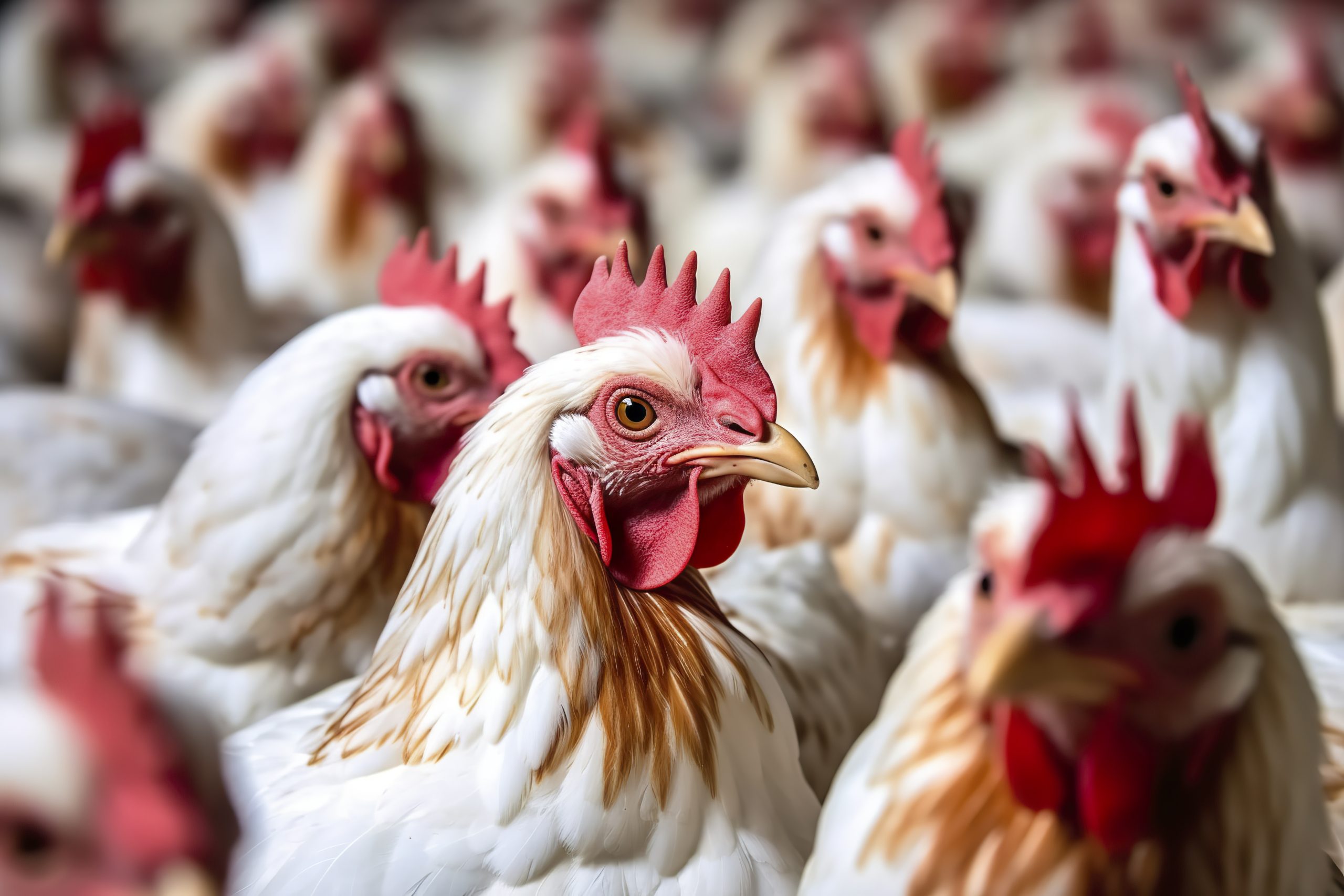
Course Description This unit is designed to give a good understanding of the principles of laying and broiler husbandry and...

Course is currently awaiting schedule. Applicants submitting payments in favour of courses without a schedule are encouraged to review the...
Course Description This short course offers an ideal opportunity for all those with a general interest in growing plants. This...

October 2026 course is closed The course is generally required by the Planning Authority to give a permission to applicants...


