
We are currently gathering expressions of interest for this accredited programme. If you wish to indicate your interest in enrolling, please click on ‘Express Your Interest’. Individuals who submit their interest will be contacted at least two weeks prior to the start of the course. Please note that payment of fees and formal registration will only take place once the programme is scheduled and confirmed to commence.
Course Description
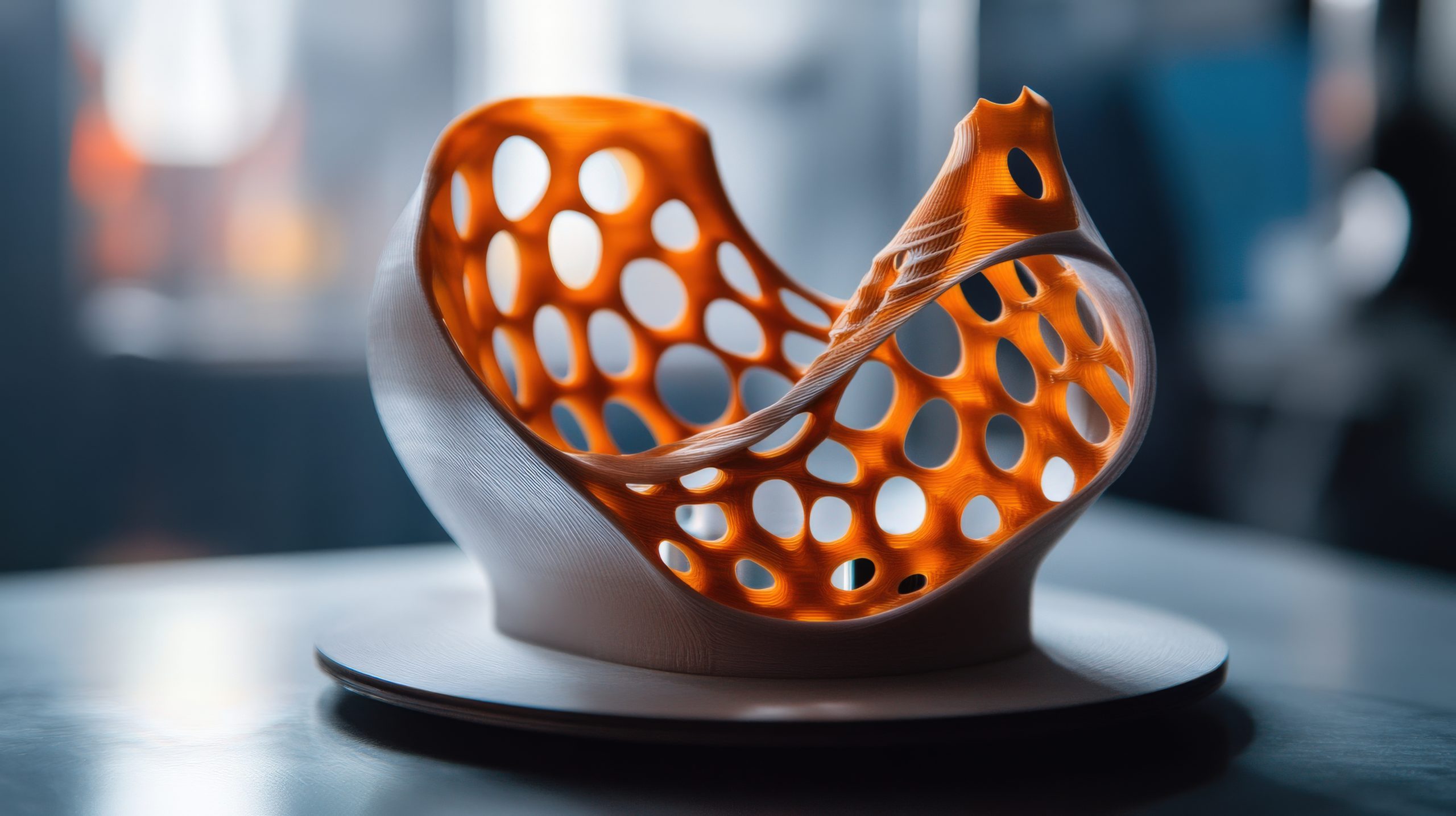
This unit introduces learners to a broader range of modern fabrication technologies used within creative, craft[1]based, and industrial environments. Building on the foundational experiences gained in Modern Techniques and Equipment, learners will explore more advanced aspects of 3D printing, including slicing settings, material selection, support strategies, and intermediate troubleshooting. In addition, learners will be introduced to CNC milling through guided demonstrations, allowing them to observe subtractive manufacturing processes, understand tool behaviour, and recognise the differences between digital fabrication methods.
Learners will also compare other modern fabrication systems such as laser cutting, plasma cutting, and waterjet cutting, developing an understanding of how different technologies are chosen for different materials and project requirements. The unit remains highly practical and workshop-based, offering multiple opportunities for learners to prepare files, produce physical outcomes, document their process, and troubleshoot common issues with tutor support.
This unit is designed to be stand-alone, ensuring accessibility for learners entering directly at MQF Level 2, while also offering clear progression for those who have completed Modern Techniques and Equipment. The unit promotes curiosity, safe working habits, creativity, and the ability to work independently and collaboratively across different fabrication processes.
Overall Learning Outcomes
LO1 Explain the principles and applications of modern fabrication technologies.
LO2 Select appropriate tools, materials, and equipment for intermediate-level fabrication tasks.
LO3 Prepare ready-made digital files for fabrication using slicing software and basic digital editing tools.
LO4 Produce fabricated components by using 3D printing tools and equipment and observing CNC milling operations.
LO5 Apply intermediate troubleshooting strategies to common fabrication faults under guidance

Description This unit introduces learners to the basic knowledge and practical skills needed for the safe and effective installation of...
This course is targeted to start around October/November Course Description This unit aims to equip learners with the fundamental knowledge...
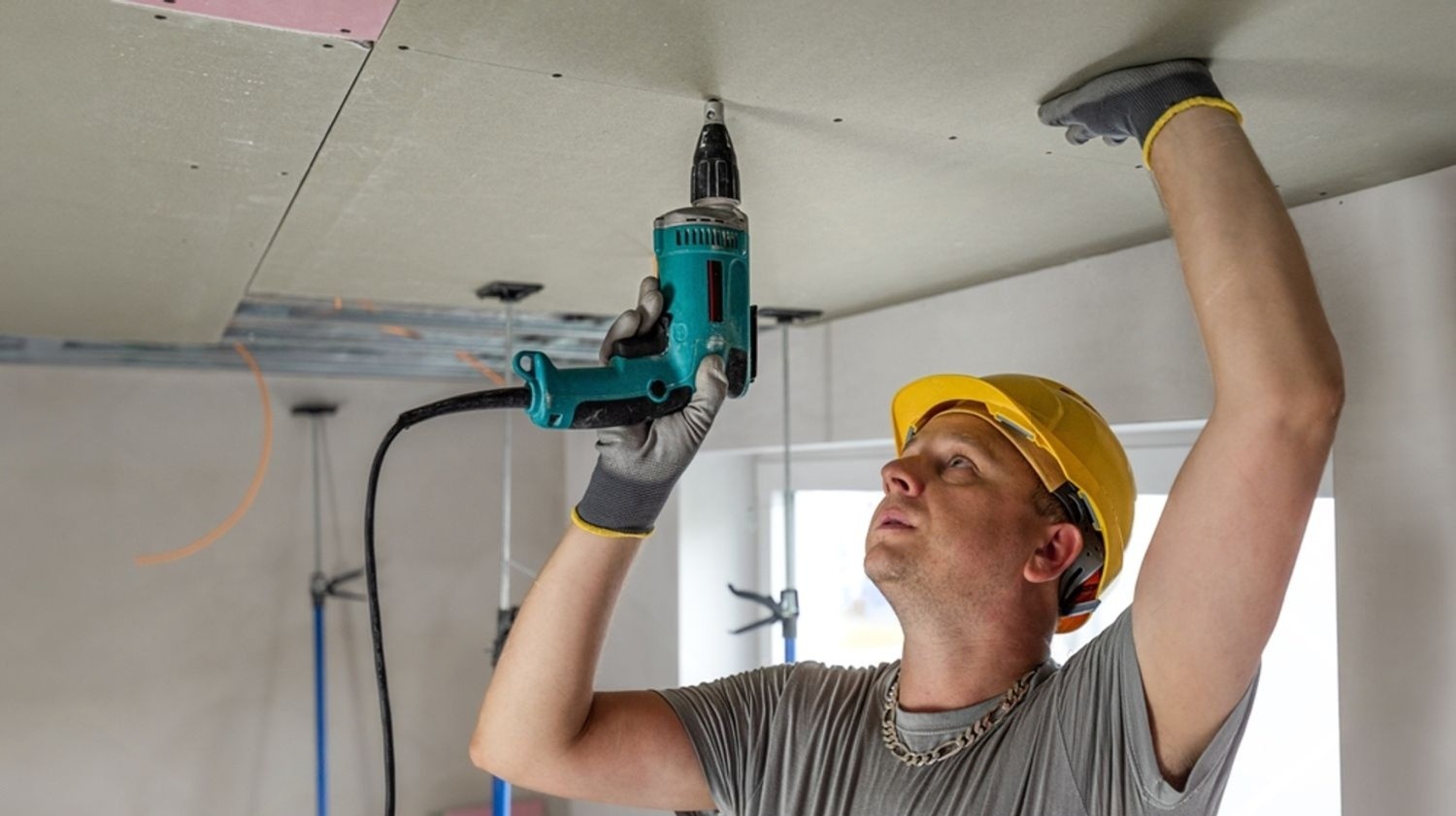
Course Description In this unit, the learners will be provided with foundational knowledge of gypsum board installation: a construction process...
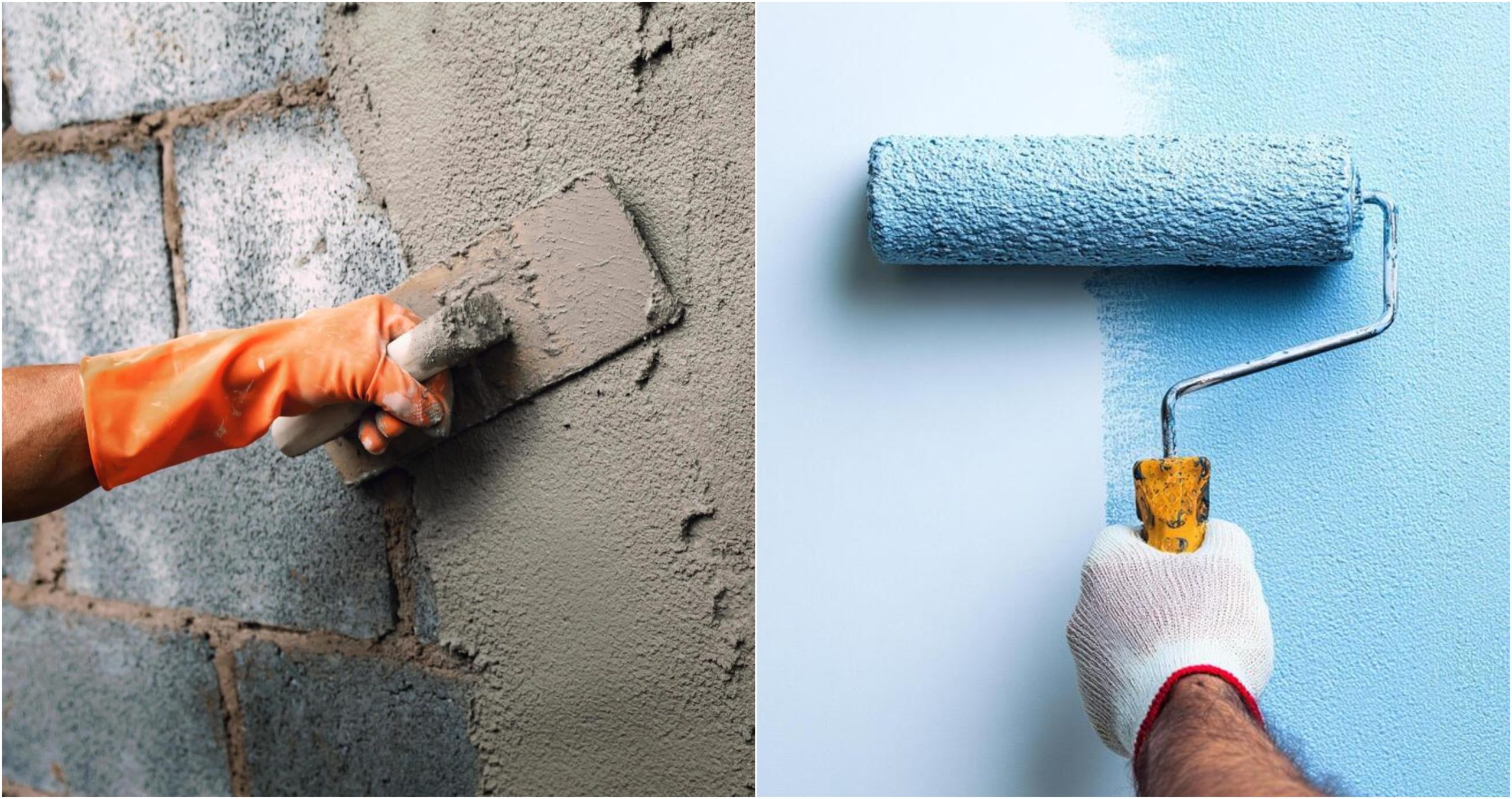
This course will start on the 28th of October Description This unit provides learners with foundational knowledge and practical...

Course Description Sculpture is a vital artistic discipline that explores three-dimensional form through hands-on engagement with materials and tools. This...

This course is targeted to start around October/November Course Description This introductory unit is designed to help students to develop...
Course Description This unit introduces learners to modern fabrication technologies used across various craft and industrial fields, including metalwork, textiles,...

Course Description This study unit introduces learners to the traditional Maltese craft of weaving, locally known as Newl. Learners will...
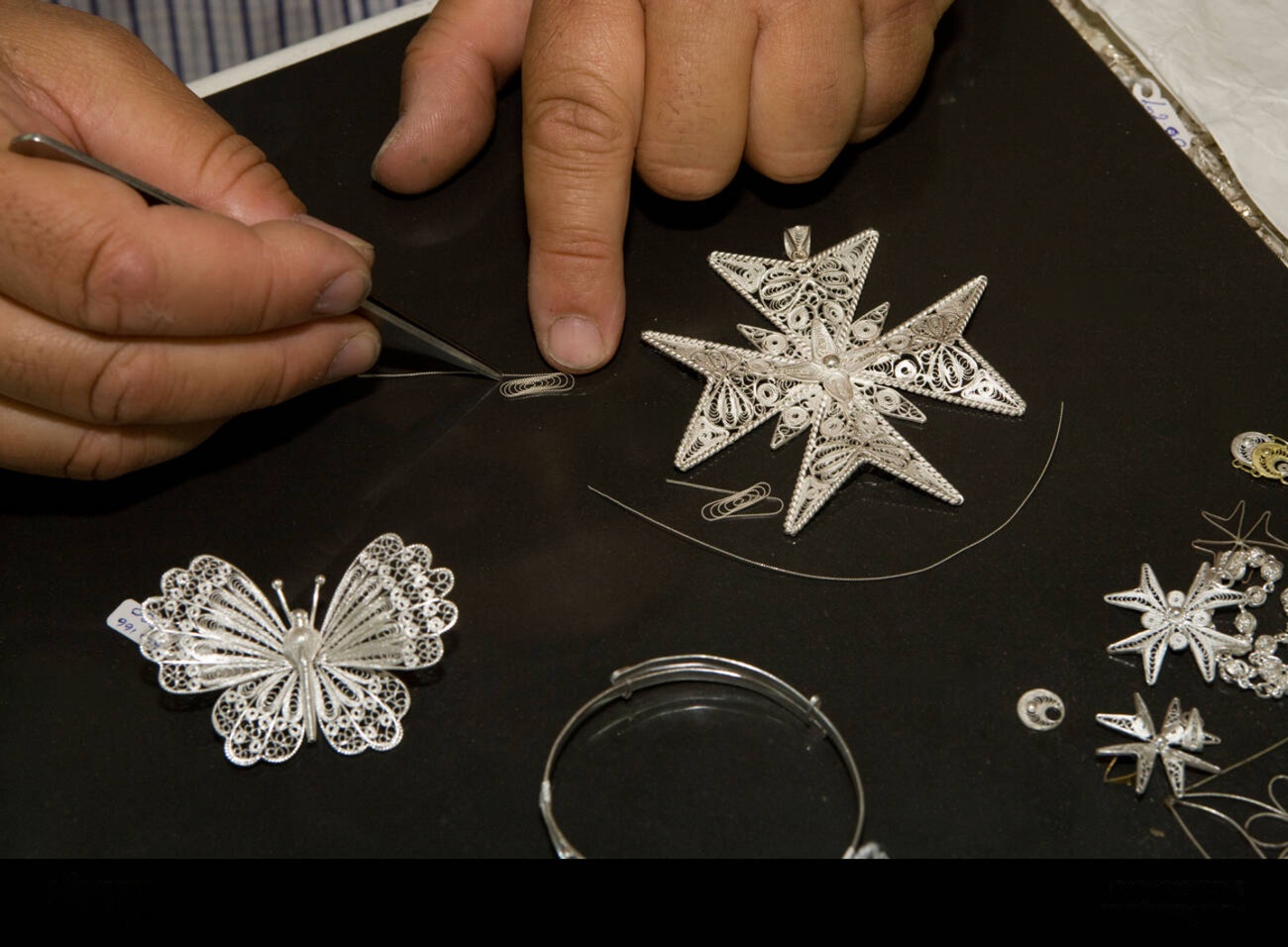
Generic Unit Description This introductory unit guides learners in developing basic filigree skills through simple, supervised workshop activities.‚ Learners...